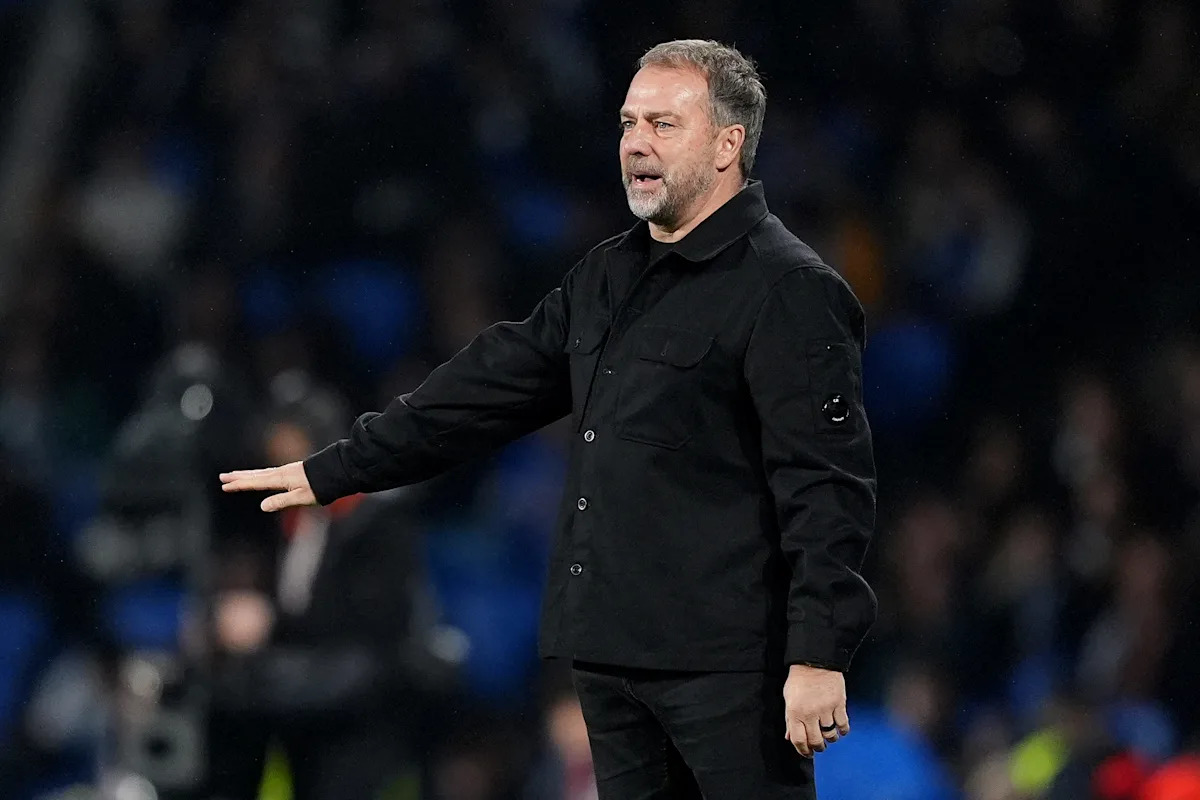
Hansi Flick's Vision: The Crucial Role of Referee Communication in Barcelona's Comeback Efforts
In the high-stakes world of elite football, every detail matters. From tactical setups to player psychology, clubs meticulously analyze every aspect that could tip the scales in their favor. For FC Barcelona, a club synonymous with dramatic flair and a relentless pursuit of victory, the concept of a "comeback" isn't just a sporting narrative – it's often a necessary path to glory. In this intense environment, the role of the referee transcends merely enforcing rules; it extends to effective communication. Recent discussions around Hansi Flick, Barcelona's incoming coach, have brought this often-overlooked facet into the spotlight, with Flick reportedly praising referee communication. This perspective offers a fascinating lens through which to examine how match officials' conduct can influence a potential barca comeback referee scenario.
While specific details from news sources about Flick's exact statements on referee communication remain somewhat elusive in their core article content, the very mention of his appreciation for it is telling. It underscores a philosophy where clarity, consistency, and dialogue with officials are not just courtesies but tactical necessities, particularly when a team like Barcelona is fighting to overturn a deficit. The dynamics of a comeback are incredibly fragile, built on momentum, psychological shifts, and often, critical moments that can be made or broken by a referee's decision or lack thereof.
The Referee's Influence on Momentum: A Barcelona Perspective
When Barcelona finds itself in a position needing a comeback, whether in a league fixture or a crucial European tie, the psychological battle is as important as the physical one. Fans, players, and coaching staff alike hang on every call. In these moments, clear and effective communication from the referee can be a game-changer. Imagine a situation where a contentious foul is called, or a VAR check takes place during a critical surge of pressure from Barça. A referee who communicates clearly – explaining decisions, managing player dissent with firm but fair dialogue, and maintaining control – helps de-escalate tension and allows the game to flow, or at least for players to understand the context.
Conversely, a lack of clear communication can breed frustration, dissent, and a loss of focus, all detrimental to a team attempting to claw its way back into a match. For a barca comeback referee, managing the temperament of both sets of players and maintaining the integrity of the game is paramount. Hansi Flick, known for his meticulous approach and his emphasis on disciplined, high-intensity football, would undoubtedly value officials who contribute to a stable match environment rather than one prone to chaos. His praise for referee communication speaks to a desire for matches to be decided by football, not by avoidable misunderstandings or poorly managed incidents.
Hansi Flick's Philosophy: Clarity and Control on the Pitch
For a coach of Flick's caliber, who has managed at the very highest level with Bayern Munich and the German national team, the appreciation for referee communication likely stems from a deep understanding of its practical benefits. Effective communication from officials extends beyond just verbal cues. It includes body language, consistent application of rules, and a willingness to engage respectfully with players and captains. This creates an atmosphere of trust and predictability, even amidst high-pressure situations.
- Minimizing Dissent: When players understand a decision, even if they disagree, it's less likely to escalate into prolonged arguments, preserving valuable game time and emotional energy.
- Maintaining Flow: Clear communication helps in quickly restarting play after incidents, preventing unnecessary stoppages that can kill a team's momentum during a comeback attempt.
- Fairness and Transparency: In an era of VAR, where decisions are scrutinized to an unprecedented degree, a referee's ability to communicate transparently, both on the field and through the technology, is vital for maintaining the perception of fairness. This is especially true for crucial calls that could impact a potential Barca-Atletico Copa del Rey clash or any other high-stakes encounter.
Flick's perspective suggests that he sees officials not just as enforcers, but as integral managers of the game's psychological and tactical landscape. For Barcelona, a club where emotional intensity runs high, a well-managed game by a communicative referee can be the unseen foundation upon which a successful comeback is built.
Navigating High-Stakes Encounters: Beyond the Whistle
The very nature of FC Barcelona's ambition means they are constantly involved in high-stakes matches. Whether it's a domestic league decider or a crucial Champions League knockout game, the pressure is immense. In such scenarios, the referee's ability to communicate effectively becomes even more critical. Think of the intense atmosphere during a pivotal game where Barcelona needs a goal to level the aggregate score or secure a victory. The decisions made, and how they are communicated, can either calm the storm or ignite an inferno.
A referee who engages with players, explaining calls calmly and clearly, can prevent misunderstandings that might otherwise lead to cards or even dismissals – situations that are devastating for a team trying to stage a barca comeback referee effort. For coaches like Flick, knowing that the match official is firmly in control and capable of clear dialogue provides a layer of assurance. It allows the team to focus purely on their strategy and execution, rather than getting distracted by perceived injustices or inconsistent officiating.
The appointment of a specific referee for a major game, such as the confirmed official for a Barca-Atletico Copa del Rey semi-final, always draws attention. This scrutiny isn't just about their historical performance, but also their perceived style of officiating – including their communication skills. When stakes are high, the best officials are those who can manage the game and its participants through dialogue as much as through strict adherence to the rulebook, fostering a sense of fair play that benefits all involved.
Practical Implications and the Future of Officiating
Hansi Flick's positive stance on referee communication offers valuable insights into what top-tier coaches expect from match officials today. It's a call for a more holistic approach to refereeing, one that integrates human interaction and clear explanation alongside technical accuracy. For Barcelona, particularly in their ambitious quest for domestic and European dominance, this emphasis on communication becomes a strategic asset.
- For Players: Better understanding of decisions reduces frustration and allows for quicker adaptation to the referee's interpretation of the game.
- For Coaches: Greater predictability in officiating enables clearer tactical instructions and less focus on managing referee interactions.
- For the Game: Enhanced communication contributes to a more fluid, fairer, and ultimately more enjoyable spectacle for fans, reducing controversies and focusing attention on the football itself.
The advent of VAR has only amplified the need for clear communication. Explaining a VAR decision, its process, and the final outcome effectively to players and even stadium announcers is paramount. This transparency helps maintain the integrity of the game and ensures that even if a decision is unpopular, its rationale is understood. This forward-thinking approach aligns well with modern football's desire for greater transparency and improved dialogue between all stakeholders, making the role of the confirmed referee set for Barca-Atletico Copa del Rey clash even more significant.
In conclusion, Hansi Flick's reported appreciation for referee communication is more than just a passing comment; it reflects a deep understanding of football's psychological and tactical complexities. For a club like FC Barcelona, renowned for its attacking prowess and occasional need for dramatic turnarounds, the referee's ability to communicate clearly and effectively is an indispensable element in achieving success. It ensures that the focus remains on the beautiful game, allowing the team's talent and strategic brilliance, not avoidable misunderstandings, to dictate the outcome, especially when chasing a crucial comeback. The clarity, consistency, and control offered by strong referee communication are vital ingredients for any club's success, and for Barcelona, they represent a pathway to mastering the art of the comeback.