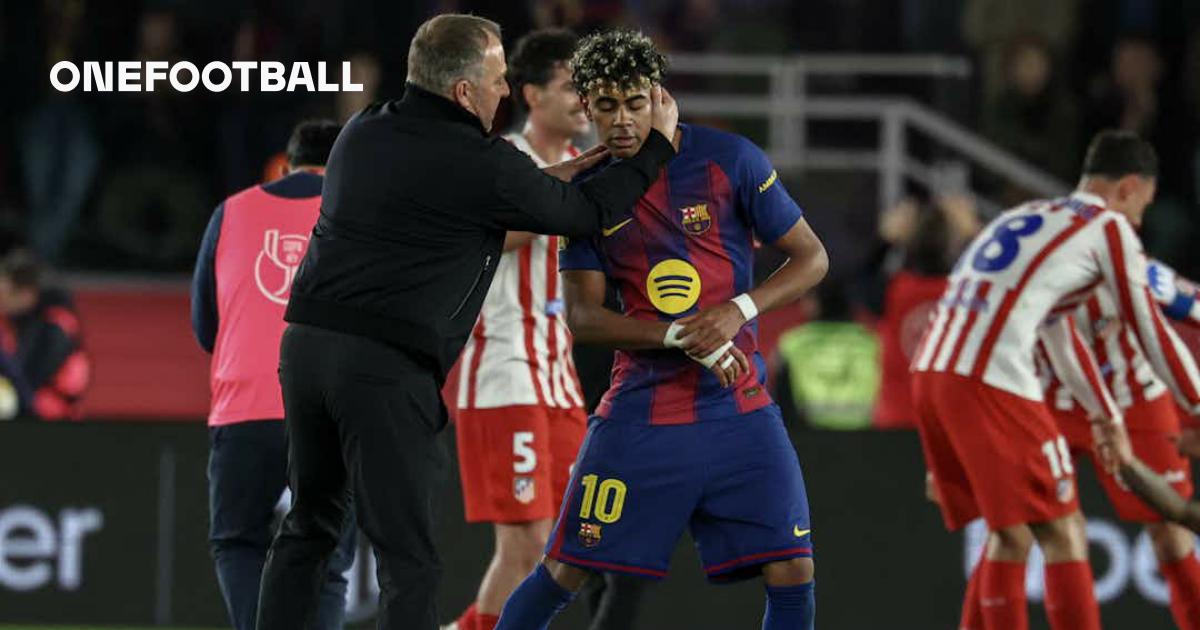
The Pressure Cooker: Referee Confirmed for Barca-Atletico Copa del Rey Semi-Final
The football world holds its breath as the highly anticipated Copa del Rey semi-final clash between FC Barcelona and Atlético Madrid draws near. While the focus is naturally on the tactical battle, star players, and potential match-winners, a crucial detail has officially emerged: the referee for this monumental encounter has been confirmed. In high-stakes matches such as this, the man in the middle often becomes as much a talking point as the players themselves, especially when one side is desperate for a turnaround. The narrative of the Barca comeback referee will undoubtedly be scrutinized by fans and pundits alike, as every decision could swing the momentum of a tightly contested tie.
While specific details about the appointed official — their name, recent form, or particular refereeing style — were not extensively detailed in our reference contexts, the very act of a confirmation underscores the immense importance and pressure associated with this role. Top-tier Spanish referees are rigorously selected for such crucial fixtures, chosen for their experience, temperament, and adherence to the laws of the game. Their appointment is a testament to their standing within the professional refereeing body, signaling that they are deemed capable of handling the intense scrutiny, the fiery atmosphere, and the critical decisions that define a Copa del Rey semi-final. For Barcelona, potentially needing to overturn a deficit or assert dominance, the referee's approach will be under an even sharper microscope.
Why Every Decision Counts: The "Barca Comeback Referee" Narrative
In football, particularly in knockout competitions, the role of the referee is perpetually magnified. When a team like Barcelona is in a position where they need to stage a comeback — whether from a first-leg deficit or during a challenging phase of the second leg — the "barca comeback referee" narrative inevitably takes hold. Fans and media scrutinize every whistle, every card, and every interpretation of the rules. A lenient referee might allow more physical play, potentially benefiting Atlético's robust style, while a strict official could lead to more free-kicks and card infringements, which Barcelona might exploit with their technical prowess and set-piece ability.
The psychological impact of refereeing decisions cannot be overstated. A controversial call early in the match could ignite an already passionate crowd, potentially fueling Barcelona's comeback efforts or galvanizing Atlético's resolve. Conversely, a perceived injustice could frustrate players, leading to loss of focus or even disciplinary issues. Modern football, with the omnipresence of VAR (Video Assistant Referee), adds another layer of complexity. While VAR aims for greater accuracy, its interventions themselves can be contentious, breaking the flow of the game and creating dramatic pauses that amplify tension. The confirmed referee will need to manage the game with immense authority, precision, and an unshakeable nerve, knowing that their performance will be dissected long after the final whistle.
Beyond the Whistle: The Referee's Influence on Tactical Play
A referee's style is not just about enforcing rules; it subtly, yet significantly, shapes the tactical landscape of a match. For a team like Barcelona aiming for a comeback, understanding and adapting to the referee's tendencies becomes a vital strategic consideration. If the official is known for letting play flow, allowing for more contact, Barcelona's technical players might find less protection, potentially facing more challenges in tight spaces. Conversely, if the referee is quick to penalize fouls, Barcelona could win more free-kicks in dangerous areas, creating opportunities through set-pieces or allowing their attacking midfielders to operate with greater freedom.
Coaches meticulously study the profiles of appointed referees, just as they would opposing players. They advise their teams on how to approach tackles, manage aggression, and even communicate with the official. For example, if the referee has a reputation for being strict on dissent, players will be instructed to temper their reactions. This pre-match preparation is crucial, as adapting to the referee's style effectively can be the difference between maintaining composure and succumbing to frustration — a critical factor in a comeback attempt. The tactical battle is not just between the coaches; it also involves navigating the interpretation of the laws by the man with the whistle.
Barcelona's Perspective: Communication and Control
The importance of referee communication has been highlighted by top figures in the sport. As suggested by headlines such as Hansi Flick Weighs In: Barcelona's Perspective on Ref Communication, clubs like Barcelona prioritize clear and effective dialogue between officials and players. Good communication can de-escalate tensions, clarify decisions, and ensure both teams feel that the game is being managed fairly. For Barcelona, particularly when chasing a comeback, maintaining a direct and respectful line of communication with the referee can be instrumental in keeping players focused and preventing unnecessary bookings or send-offs that could jeopardize their efforts.
A referee who communicates well can foster an environment of trust, even when difficult decisions are made. This doesn't mean changing decisions, but explaining them clearly and concisely. For a team needing to push forward relentlessly, avoiding undue stoppages due to protests or misunderstandings is vital. The confirmed official will need to be not just an enforcer of rules but also a skilled manager of personalities and emotions, ensuring that the spectacle of the game — and Barcelona's potential comeback — can unfold without undue controversy.
Preparing for the Unpredictable: Tips for Teams and Fans
Navigating a high-stakes match with intense referee scrutiny requires a multi-faceted approach from both those on the pitch and those in the stands.
- For Teams: Adaptability is Key. Coaches must prepare their players to adapt to the referee's interpretation of fouls, offsides, and disciplinary actions. This involves emphasizing disciplined play, minimizing reckless challenges, and training players to react calmly to decisions, even if they disagree. Utilizing VAR effectively also means understanding when to appeal and when to play on. Barcelona, in a comeback scenario, must channel their intensity into performance, not protests.
- For Players: Focus on Performance. While communication with the referee is important, players must prioritize their primary objective: executing the game plan. Distractions through constant arguments can be detrimental. Experienced players often know how to manage interactions with officials, using opportune moments to engage rather than confront.
- For Fans: Embrace the Drama, Acknowledge the Challenge. It's natural for supporters to feel passionate about their team, but it's important to remember the immense pressure on referees. They make split-second decisions in highly dynamic situations, often under extreme noise and scrutiny. Understanding that mistakes can happen — by players, coaches, and officials — allows for a more balanced appreciation of the game. Rather than fixating on every controversial call, fans can focus on the incredible athleticism, tactical brilliance, and emotional rollercoaster that a Copa del Rey semi-final promises.
Fact: Top-tier referees often run more distance than some players in a game, covering vast areas to maintain optimal viewing angles for crucial decisions. Their physical and mental conditioning is paramount to their performance.
The confirmation of the referee for the Barca-Atletico Copa del Rey clash adds another layer of intrigue to an already tantalizing fixture. While the specific name may not have dominated early headlines, the discussion around the "barca comeback referee" — the official who will oversee Barcelona's bid for glory — will undoubtedly intensify as kick-off approaches. Their performance will be scrutinized, analyzed, and debated, but ultimately, their role is to facilitate a fair contest, allowing the incredible talent on display to determine the victor. Both teams, and their fervent supporters, must prepare for a match where every moment, every decision, and every ounce of effort could define their Copa del Rey destiny.